




understanding Postural Deformity Treatment
Postural deformity treatment is a multidisciplinary approach focused on correcting abnormalities in the alignment and posture of the body. These deformities can occur due to a variety of factors, including poor posture habits, muscle imbalances, injuries, genetic factors, or underlying medical conditions. Treatment aims to restore the body’s natural posture, alleviate pain, reduce the risk of future problems, and improve overall functional mobility.
Restoring Proper Alignment
The main goal is to realign the spine and other body parts into their optimal position to reduce stress and strain on muscles, joints, and ligaments.
Improving Flexibility and Strength
Postural imbalances often weaken certain muscle groups and overstrain others. Strengthening weak muscles and stretching tight muscles can improve posture.
Relieving Pain and Discomfort
Postural deformities often lead to chronic pain, particularly in the neck, shoulders, lower back, and hips. Treatment seeks to alleviate this discomfort.
Enhancing Functionality
The treatment also helps to improve the body’s functional movements, allowing for better performance in daily tasks, work activities, and sports.
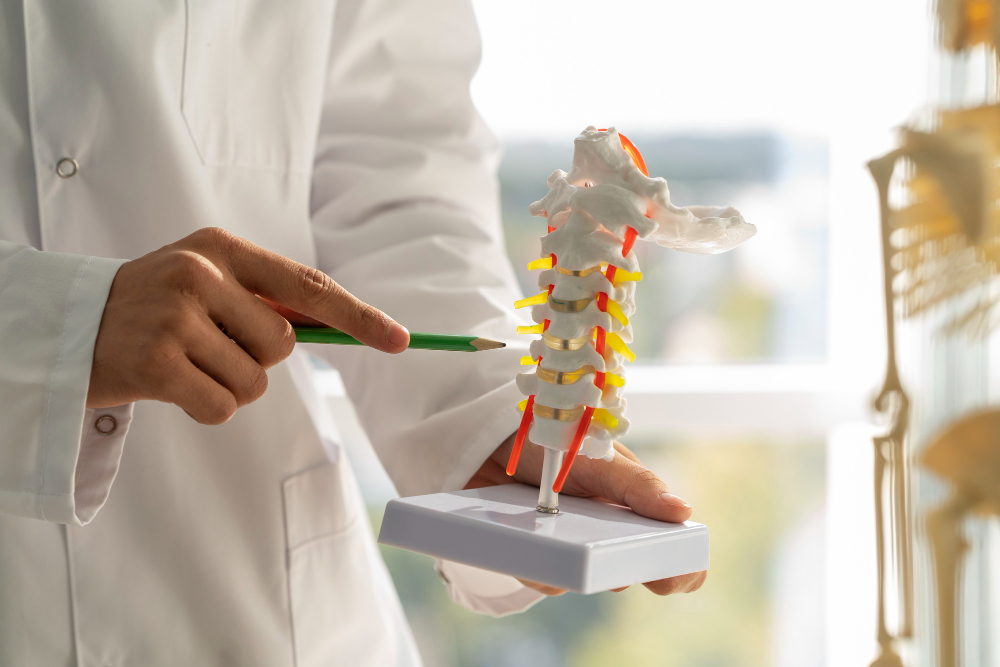
Types of Postural Deformity Treatment
Common postural deformities include kyphosis (excessive outward upper back curvature), lordosis (abnormal inward lower back curve), scoliosis (sideways spinal curvature), forward head posture (head jutting forward), and pelvic tilt issues (anterior or posterior tilt causing discomfort). These conditions can lead to pain and postural problems if left untreated.
frequently asked question
1. What causes postural deformities?
Postural deformities can result from:
Genetic factors
- Poor sitting and standing habits
- Weak abdominal and back muscles
- Spinal injuries or congenital conditions
- Neuromuscular disorders
2. Can postural deformities be corrected without surgery?
Mild cases can often be improved with postural correction exercises and non-surgical interventions provided in FITCLINIC rehabilitation programs. However, severe cases may require surgical intervention and more intensive treatments.
3. How long does it take to see results?
Results vary depending on the severity of the condition and treatment adherence. Some patients notice improvements in posture and pain relief within a few weeks, while others may require a long-term rehabilitation program for lasting correction.
BOOK APPOITNMENT
Take the first step toward optimal health and performance. Complete the form below and our team will contact you to schedule your personalized appointment at FitClinic.
- Al Bateen Um Imeem St Villa 4, Abu Dhabi
- +971 (2) 8771098